Dulce Hogar

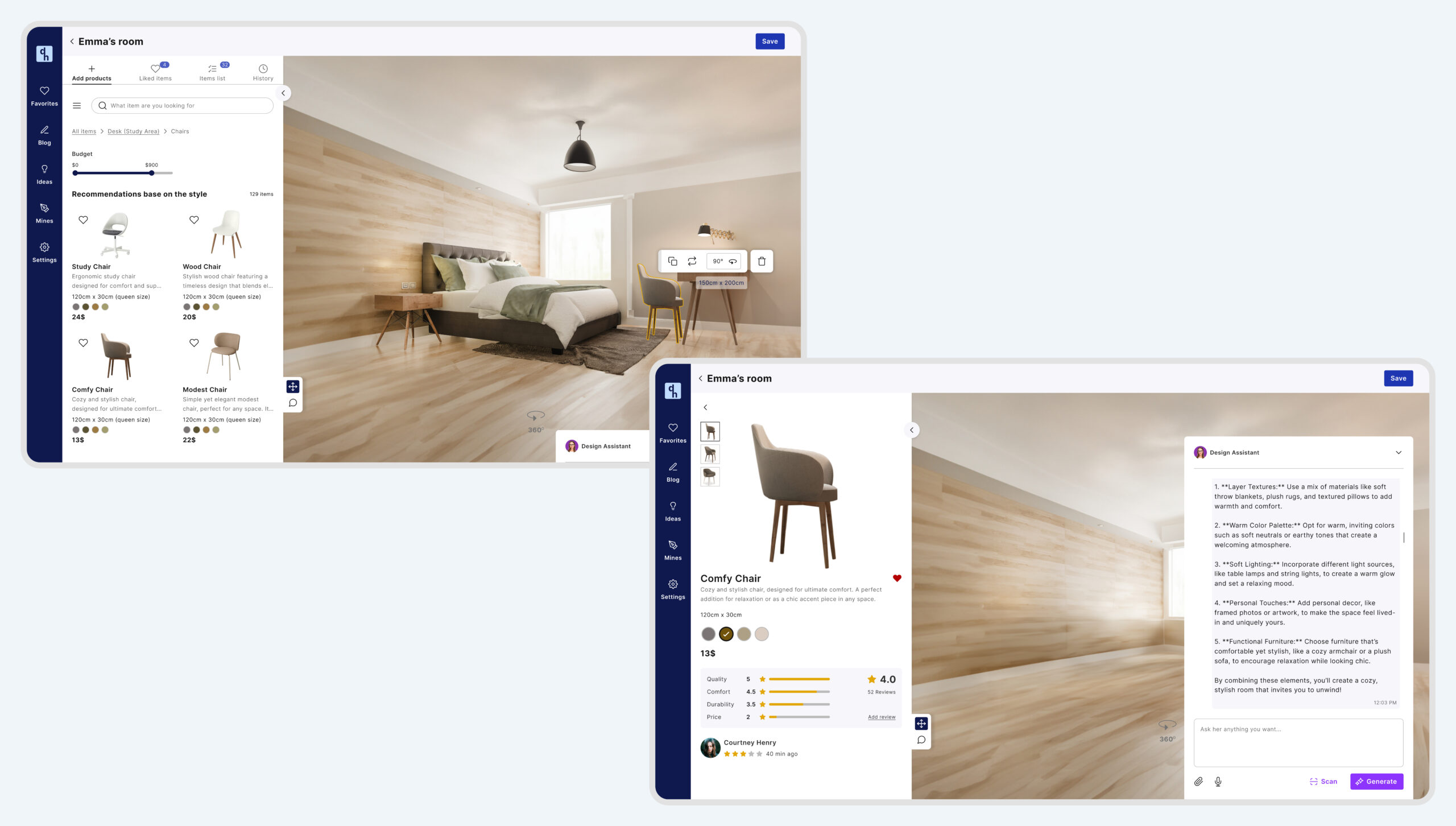
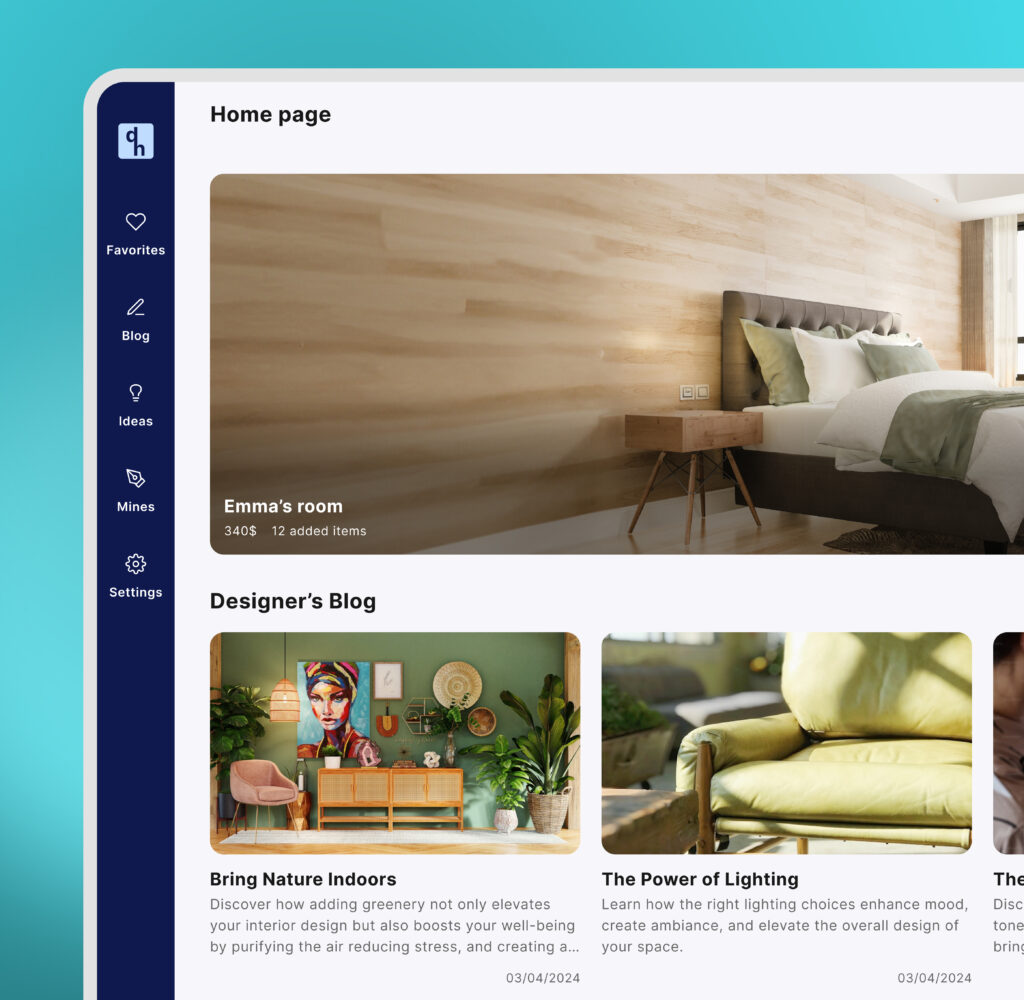
Dulce Hogar is a smart design assistant that helps furniture shoppers visualize how new items will look in their own space before buying.

The Problem

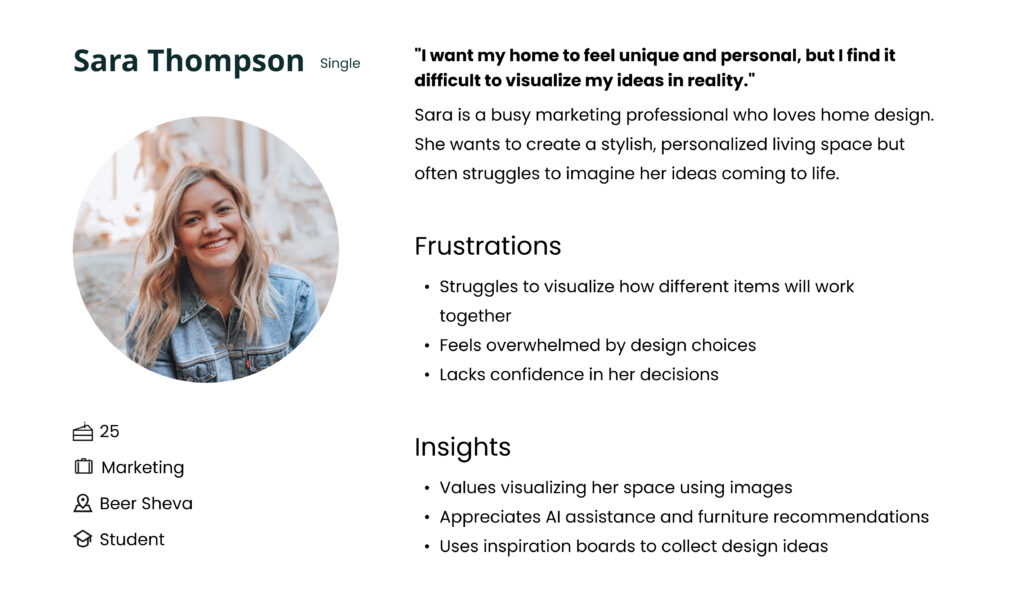
Many furniture buyers struggle to imagine how items will fit or look in their home. Traditional online shopping often leaves them uncertain about size, style, and placement, leading to frustration, wasted time, and returns. Dulce Hogar addresses this gap by providing an interactive, visual solution that helps users plan and design their spaces accurately before making a purchase.

The Goal

To help furniture shoppers visualize their spaces before purchasing, enabling them to make confident decisions, plan layouts easily, and reduce uncertainty or returns.

Business Considerations

By reducing purchase hesitation and returns, Dulce Hogar increases customer satisfaction and boosts sales for furniture retailers, driving higher conversion rates and long term loyalty.

The Solution

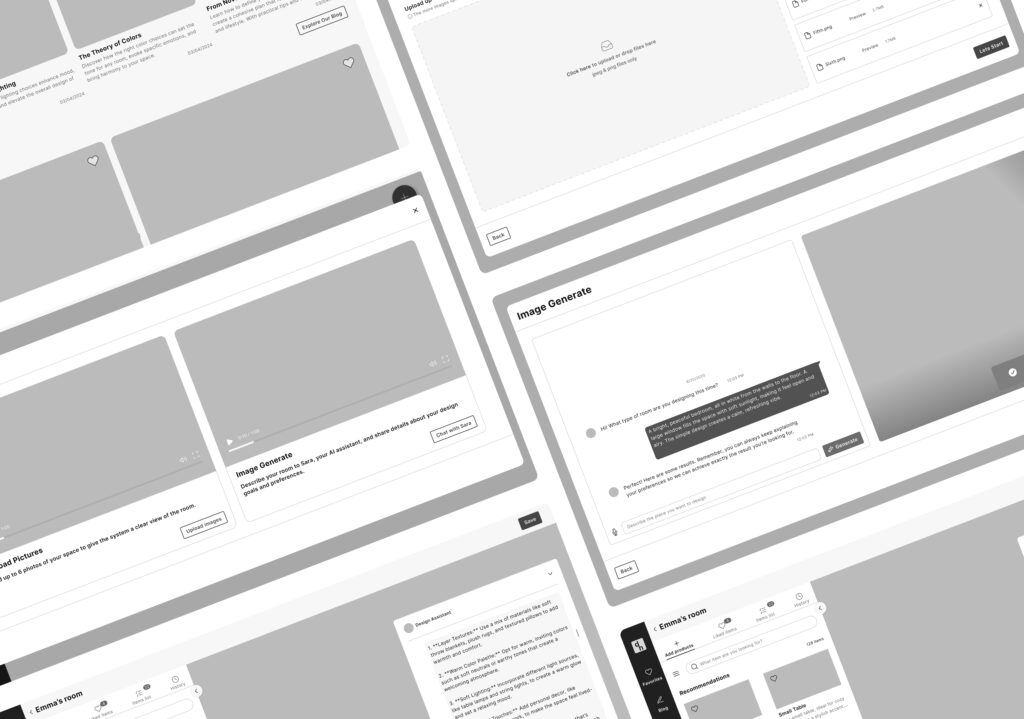
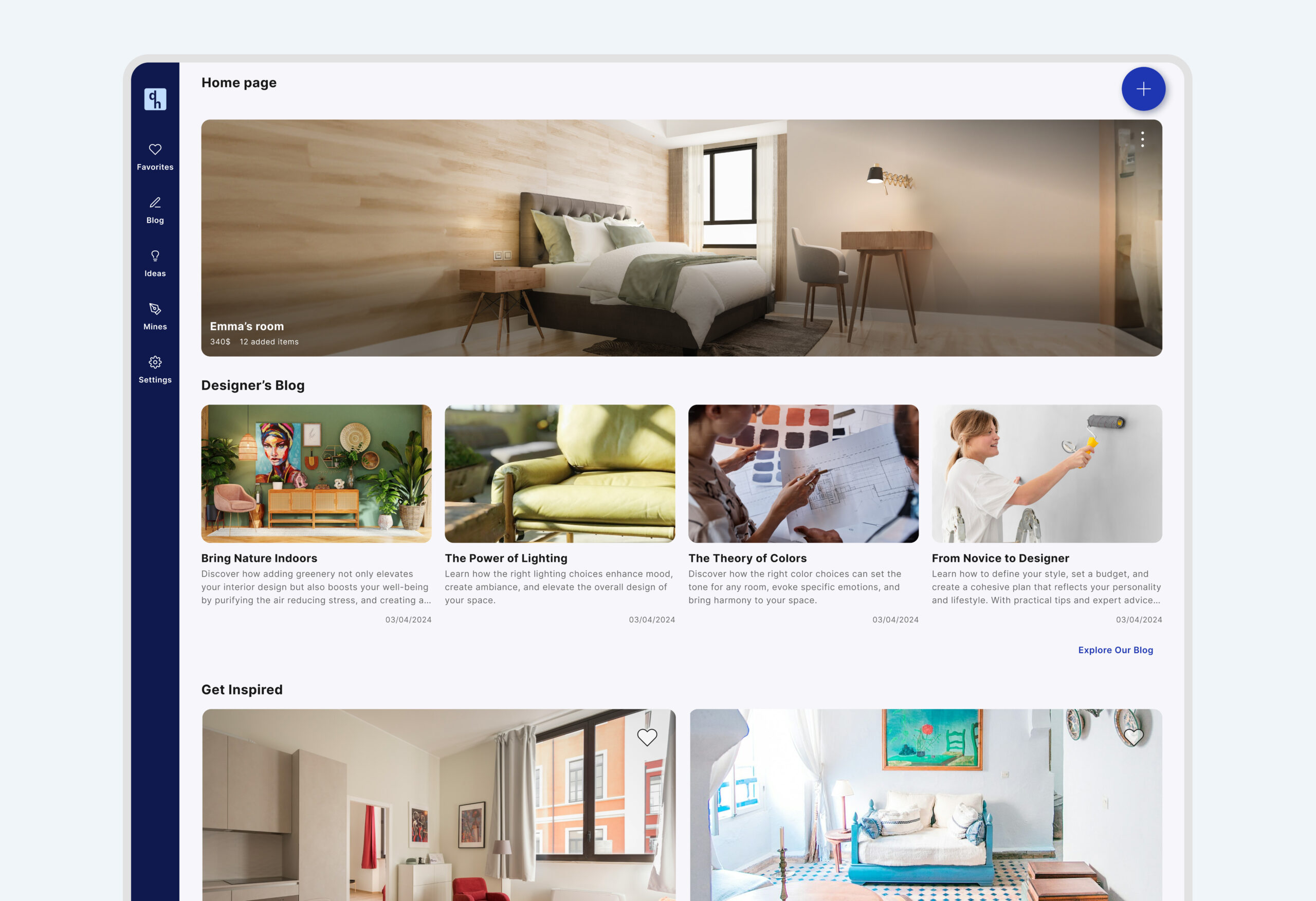
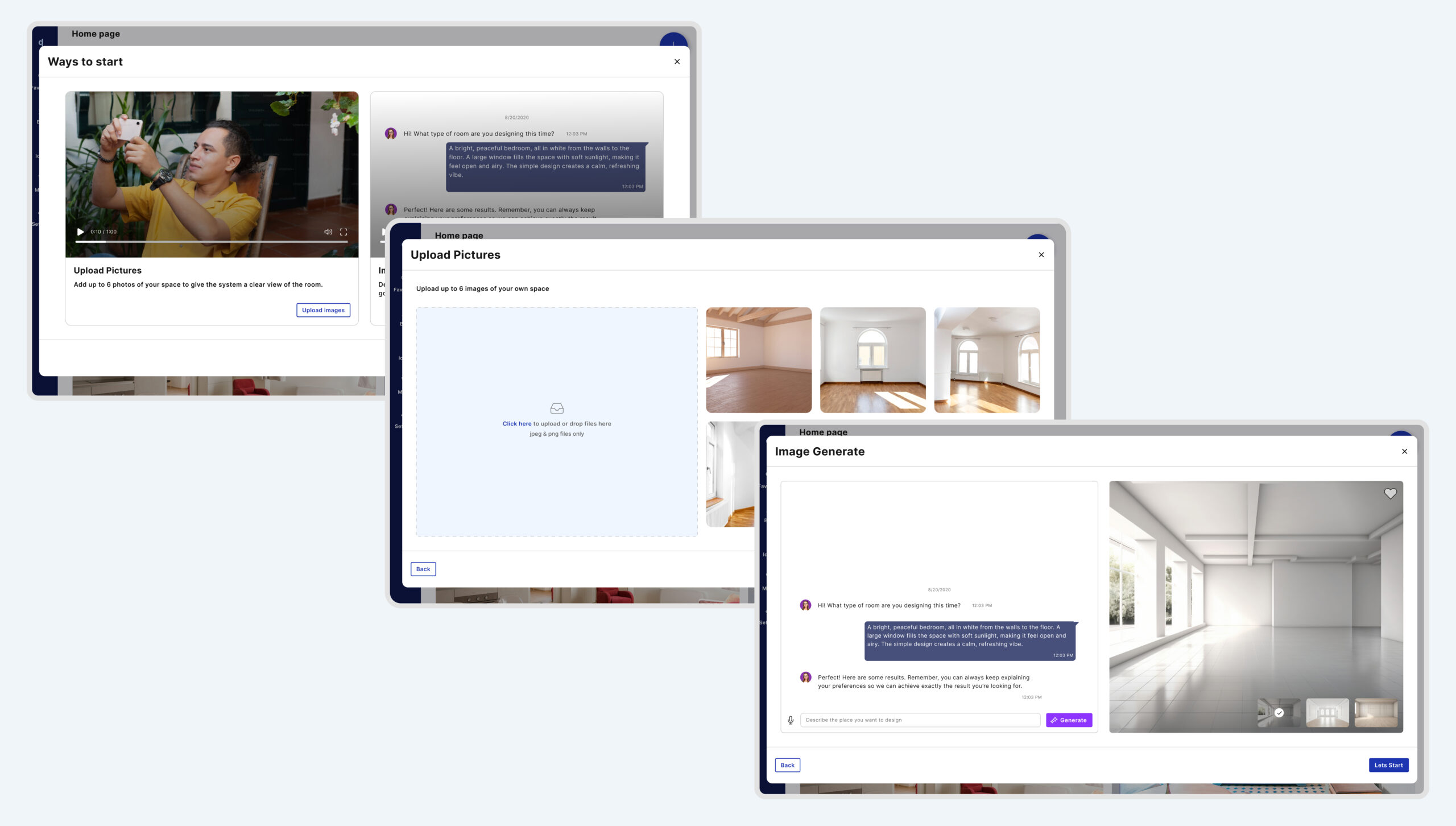
Dulce Hogar lets users see exactly how furniture will look in their own space before buying. Users can upload up to 6 images of their room, or interact with Sara, their AI assistant, to describe the space and design goals. The app generates realistic visualizations, helping users experiment with layouts, colors, and styles, so they can make confident decisions and plan their home efficiently.
The Approach

Secondary research

I began by exploring furniture stores as potential clients such as Home center, ACE, KSP and IKEA to understand how they operate and the steps a buyer takes when shopping in store. I also reviewed their websites to see how products are presented and discover best practices for online visualization.

Competitor analysis

I analyzed potential competitors, including platforms users might turn to for similar purposes, such as Canva, Design sense and Floor planner to identify opportunities for differentiation and ensure Dulce Hogar offers unique value.

Persona

User Flows

Low Fidelity

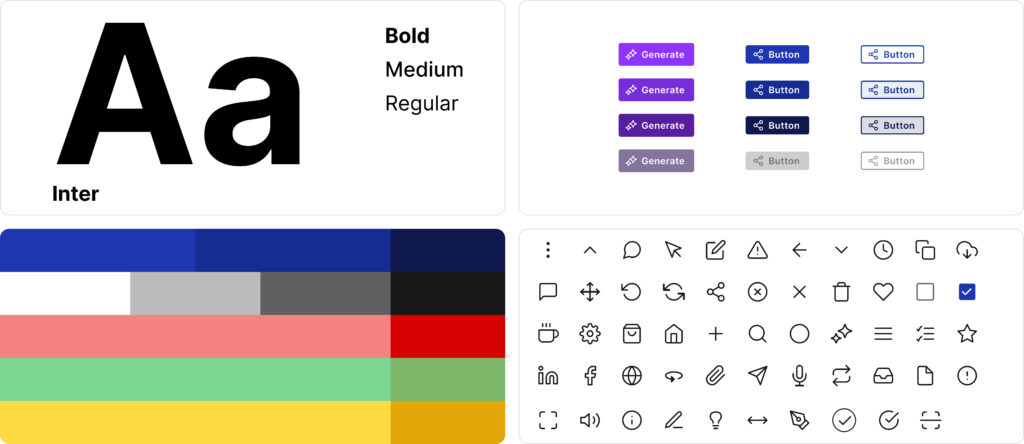
Design System

The outcome

Dulce Hogar empowers users to make confident design decisions by clearly visualizing their space before purchasing. With reduced uncertainty, users are more decisive and satisfied with their choices, leading to increased conversions and higher sales for retailers.